

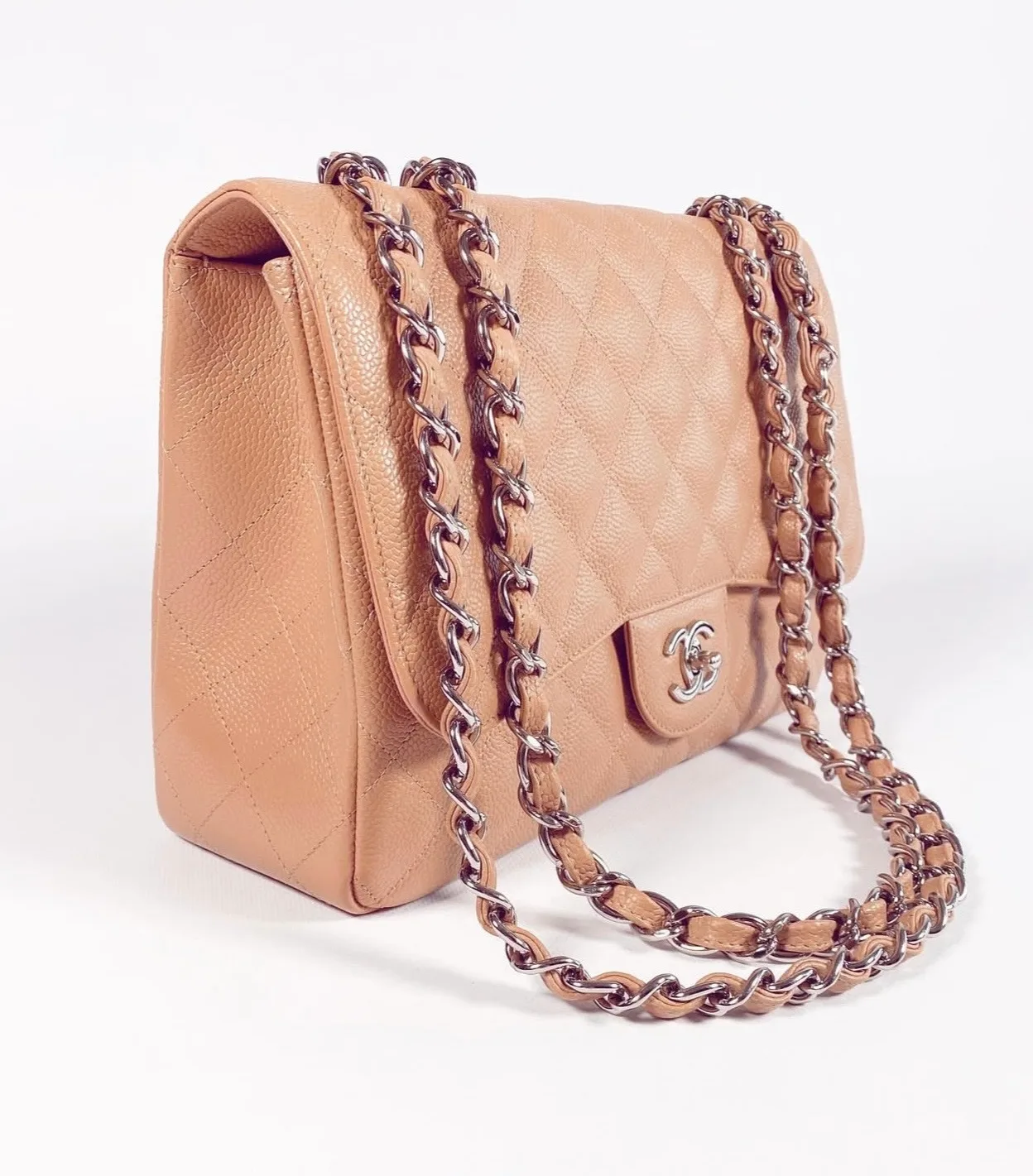
How to Authenticate a Chanel Bag (2026 Guide): 11 Expert Checks That Actually Matter
Last updated: March 2026
Introduction
Authenticating a Chanel bag today requires more than intuition or a quick visual impression.
The quality of counterfeit Chanel bags has increased significantly over the past decade. Modern replicas are capable of reproducing serial stickers, authenticity cards, hardware, quilting, and even construction details with surprising accuracy. Many of them look convincing in photographs and only reveal inconsistencies under close inspection or physical handling.
This is why authentication must be based on construction logic, not appearance.
This guide explains how to evaluate a Chanel bag step by step, focusing on the Classic Flap and the 2.55 — the most replicated models on the secondary market.
At Bagotica, authentication is based on physical inspection and structural consistency, not on a single “correct” detail.
If you want to understand why one correct feature is never enough, see:
Why One Authentication Step Is Not Enough
Manual Inspection vs AI Authentication
Why Physical Inspection Still Matters in Luxury Authentication
Quick Answer: How to Authenticate a Chanel Bag
A Chanel bag cannot be authenticated by one element.
It must be evaluated as a system, where all parts support each other:
- material must match the model
- stitching must support the structure
- hardware must correspond to the period
- serial elements must align with construction logic
If one element contradicts the others, the bag should not be trusted.
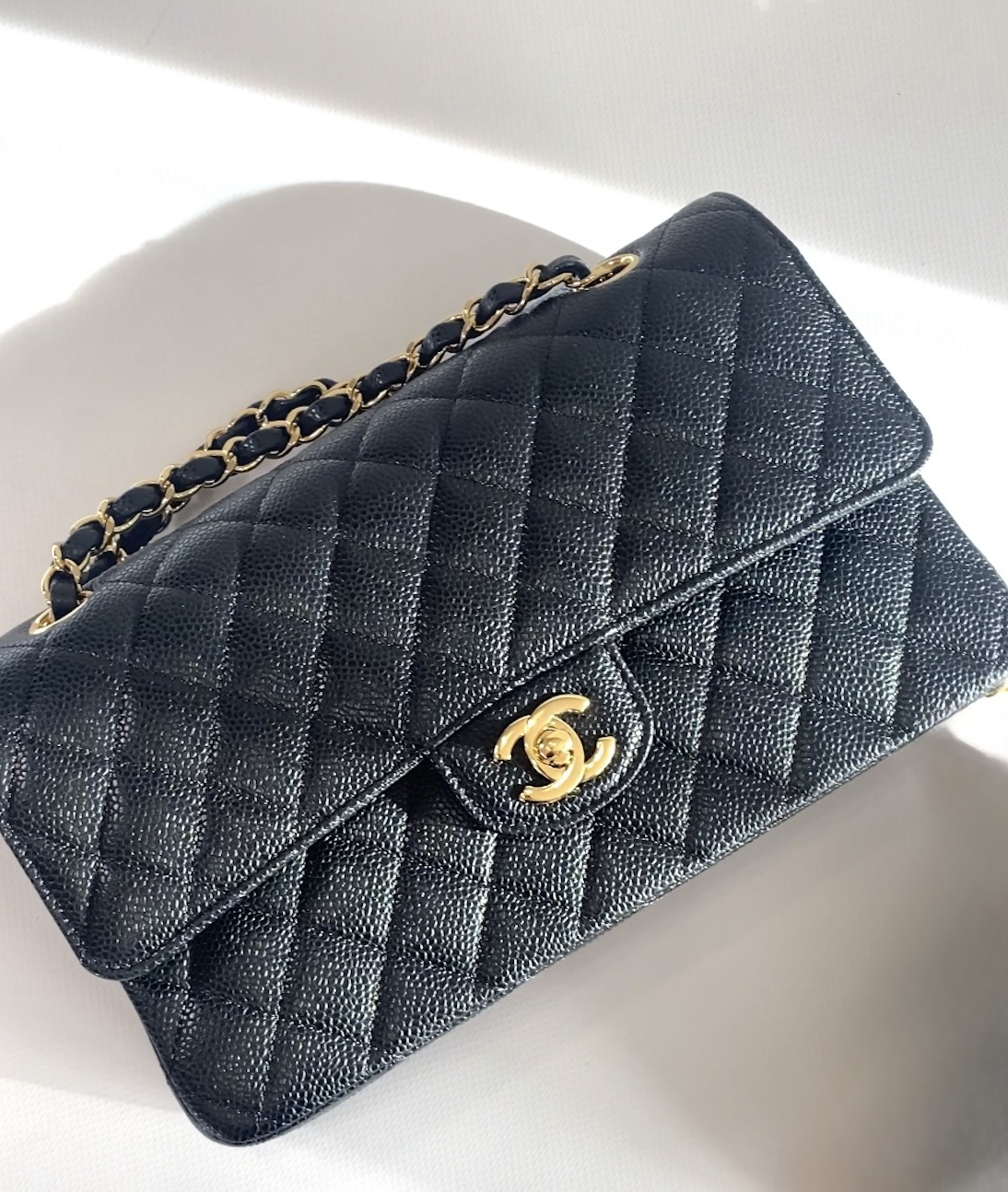
Why Chanel Bags Are Difficult to Authenticate Today
Chanel is one of the most counterfeited luxury brands in the world.
Modern replicas are no longer defined by obvious flaws. Instead, they replicate multiple elements at once — stitching, logos, serial numbers, hardware — making surface-level checks unreliable.
This is why authentication today requires structural analysis.
If you want to understand how technology fits into this process, see:
What Is Entrupy and How It Protects Buyers
Authenticity confirms what a bag is —condition determines whether it is worth owning.
1. Material
Authentic Chanel Classic bags are made primarily from lambskin or caviar leather.
Lambskin is smooth, soft, and slightly glossy. It feels refined but is delicate and sensitive to pressure.
Caviar leather is grainy, structured, and more resistant. It has a matte finish and holds its shape over time.
Common warning signs:
- plastic shine
- chemical smell
- artificial grain
- unnatural stiffness
Material should not only look correct — it must behave correctly.
See:
Chanel Leather Guide
Types of Chanel Leather — Part II
2. Quilting Alignment
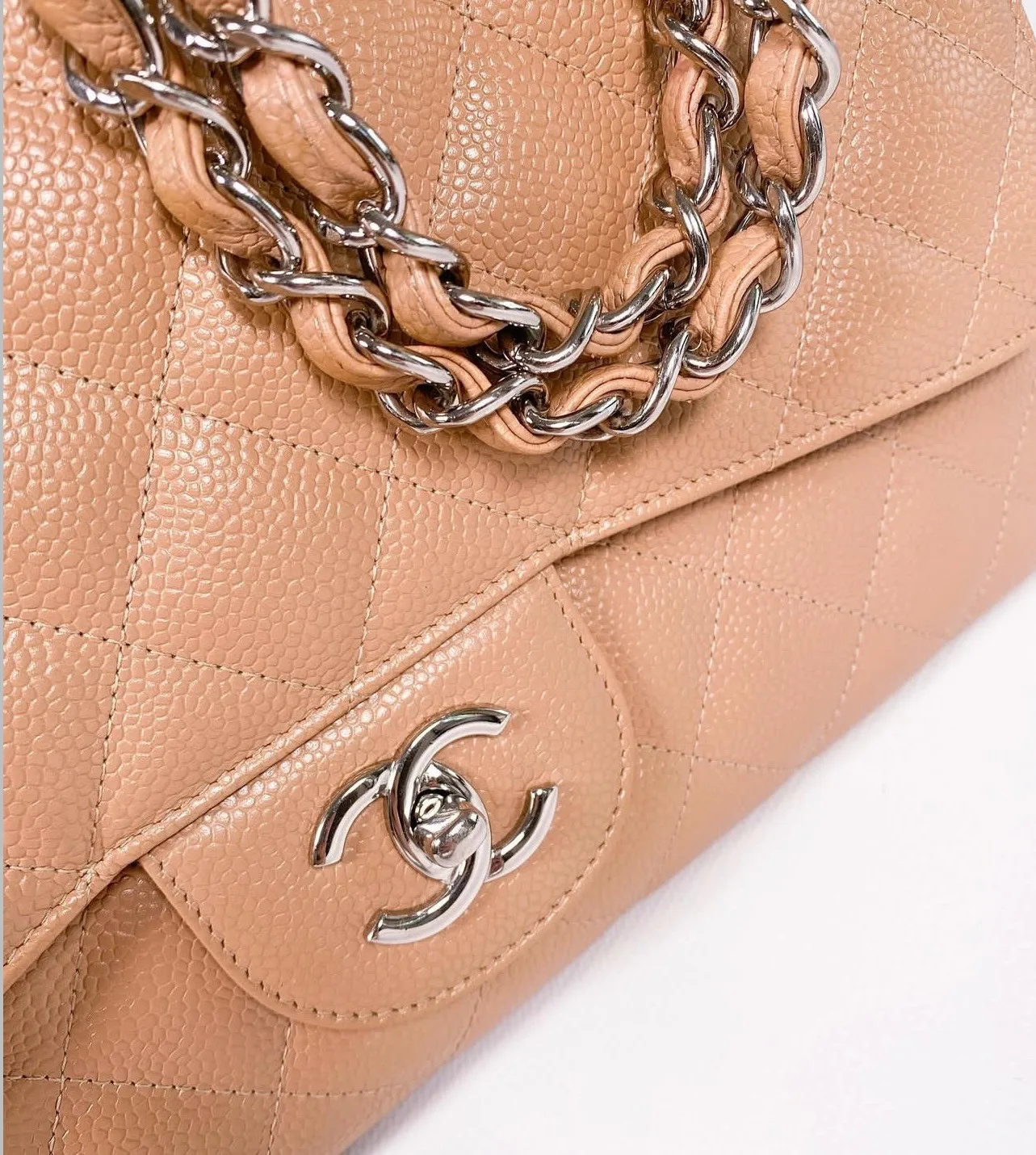
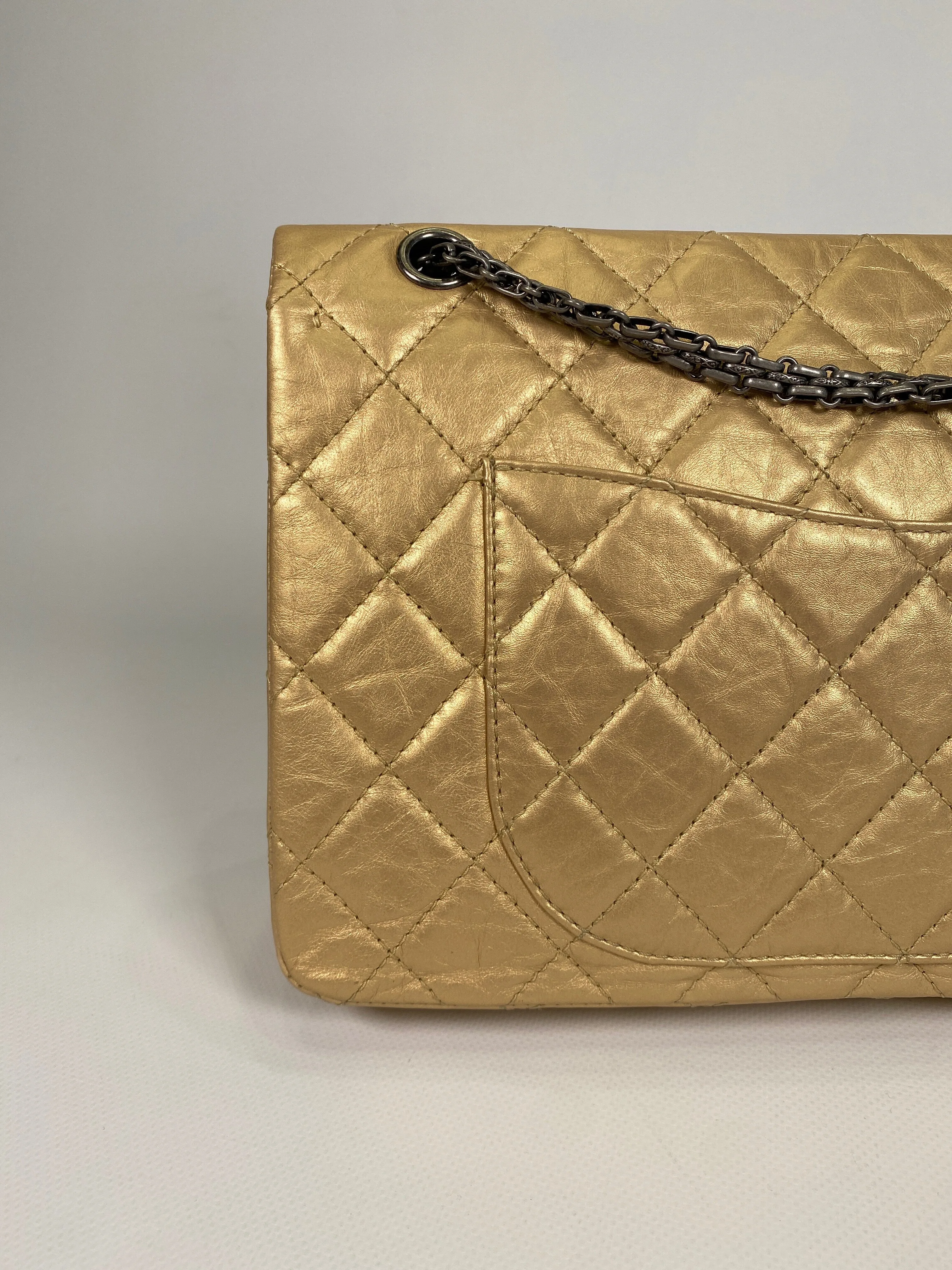
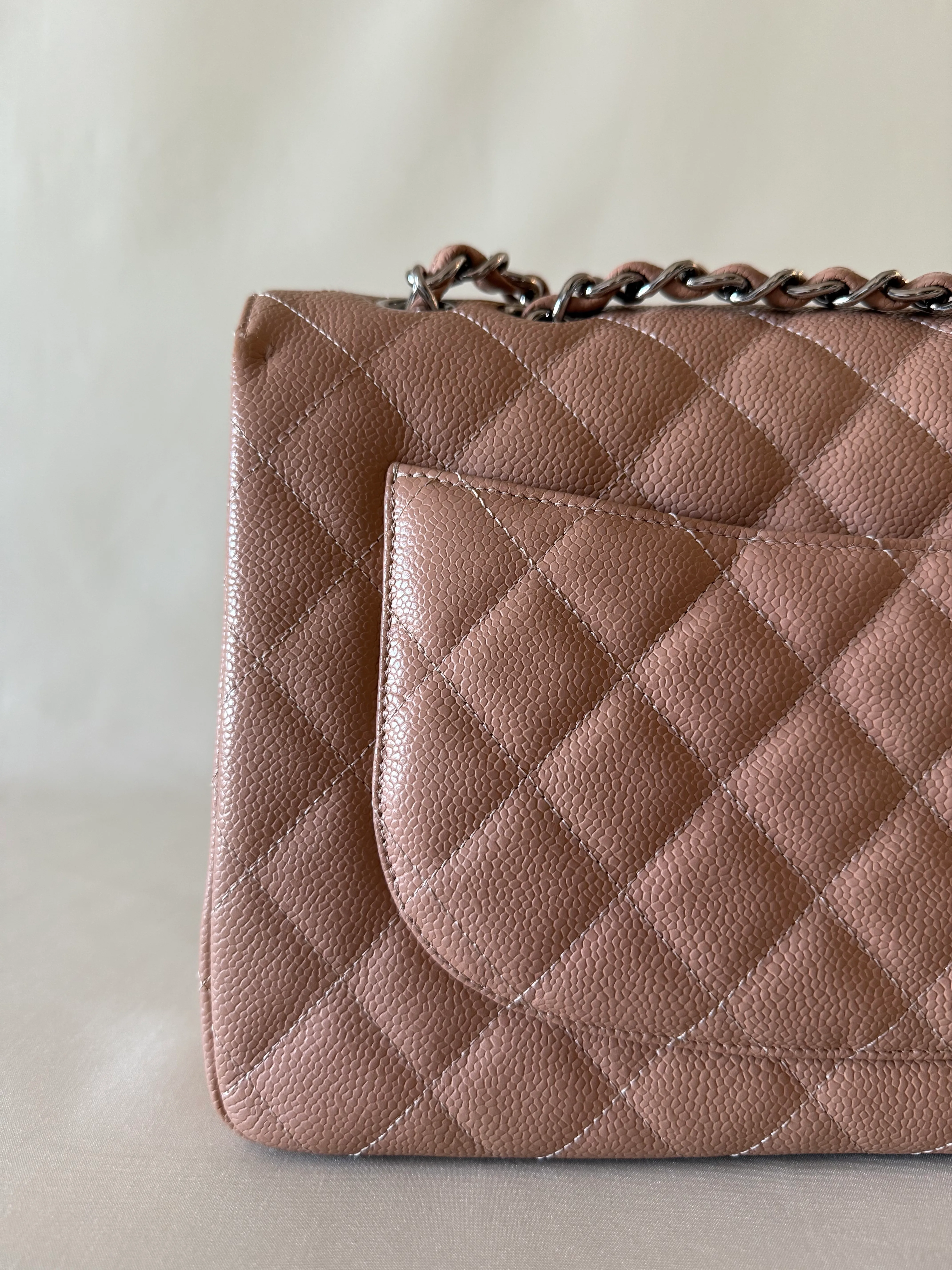
On an authentic Chanel bag, the diamond pattern aligns perfectly across all elements — flap, body and back pocket.
Both horizontal and vertical lines must continue without interruption.
The back pocket is one of the most revealing areas: the quilting must match the body exactly.
Any break in the pattern — even minimal — is a warning sign.
3. Stitch Density
Stitch density is one of the most objective checks.
Authentic Chanel bags have dense, consistent stitching.In most Classic Flap models, there are at least 9 stitches per inch (2.54 cm).
Lower stitch density weakens the structure and is common in replicas.
Seasonal and non-classic models may vary — this rule applies primarily to classic constructions.
This is one of the few details that can be measured — not guessed.
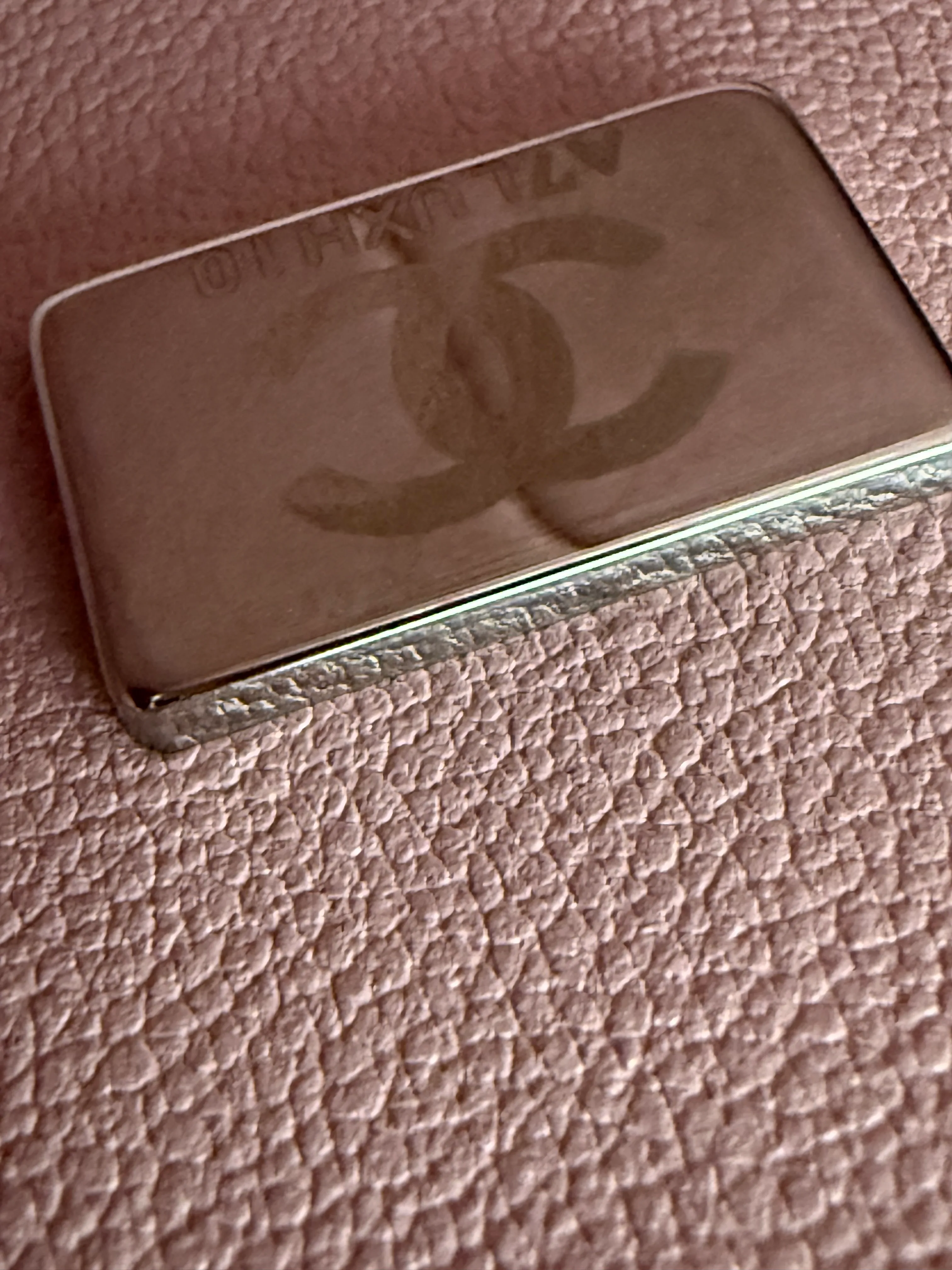
4. CC Turnlock
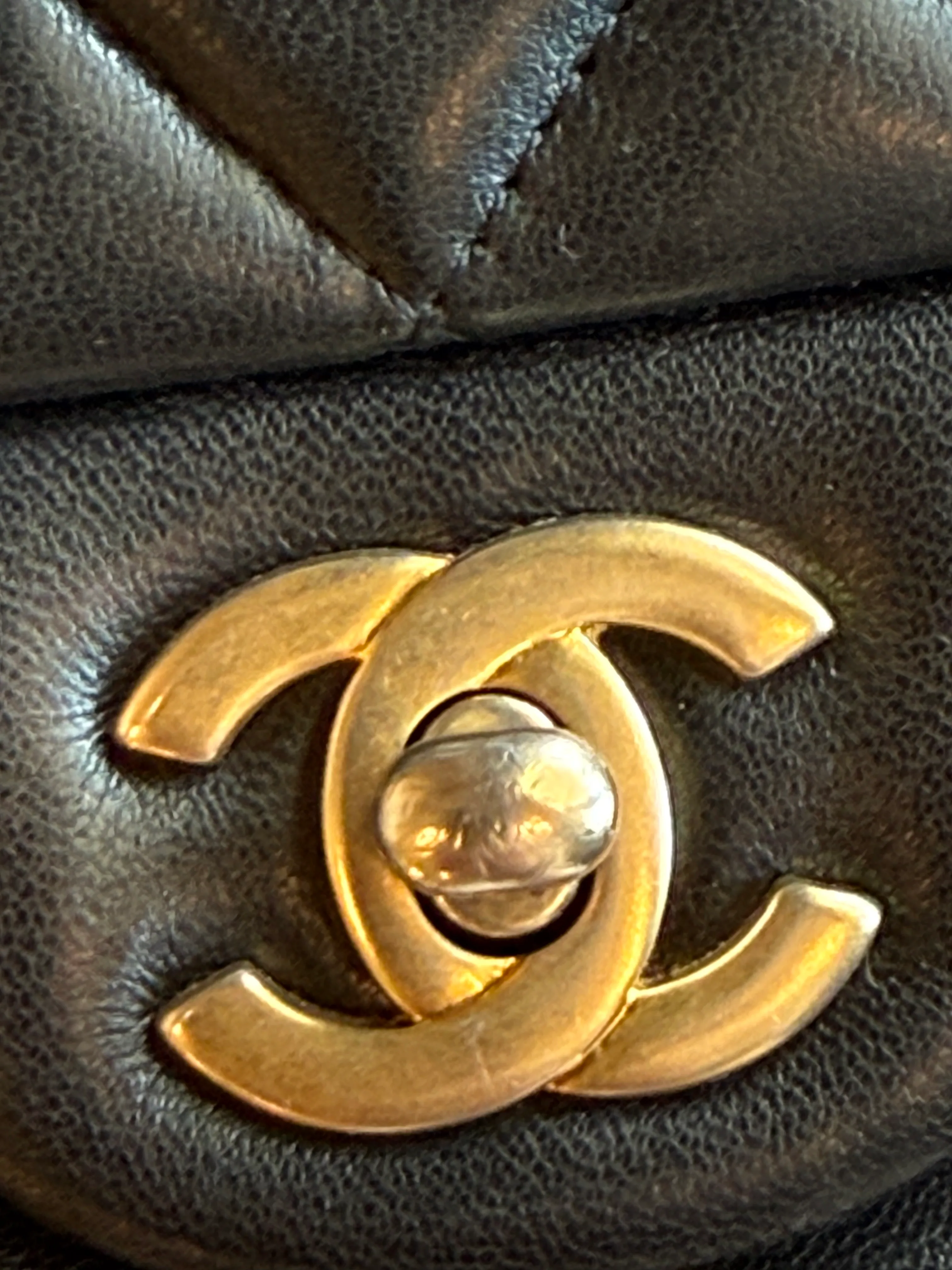
The CC lock follows a strict rule: the right C overlaps at the top the left C overlaps at the bottom
This never changes.
The lock should be perfectly centered, with clean finishing and balanced proportions.
The metal should feel substantial, not lightweight or overly shiny.
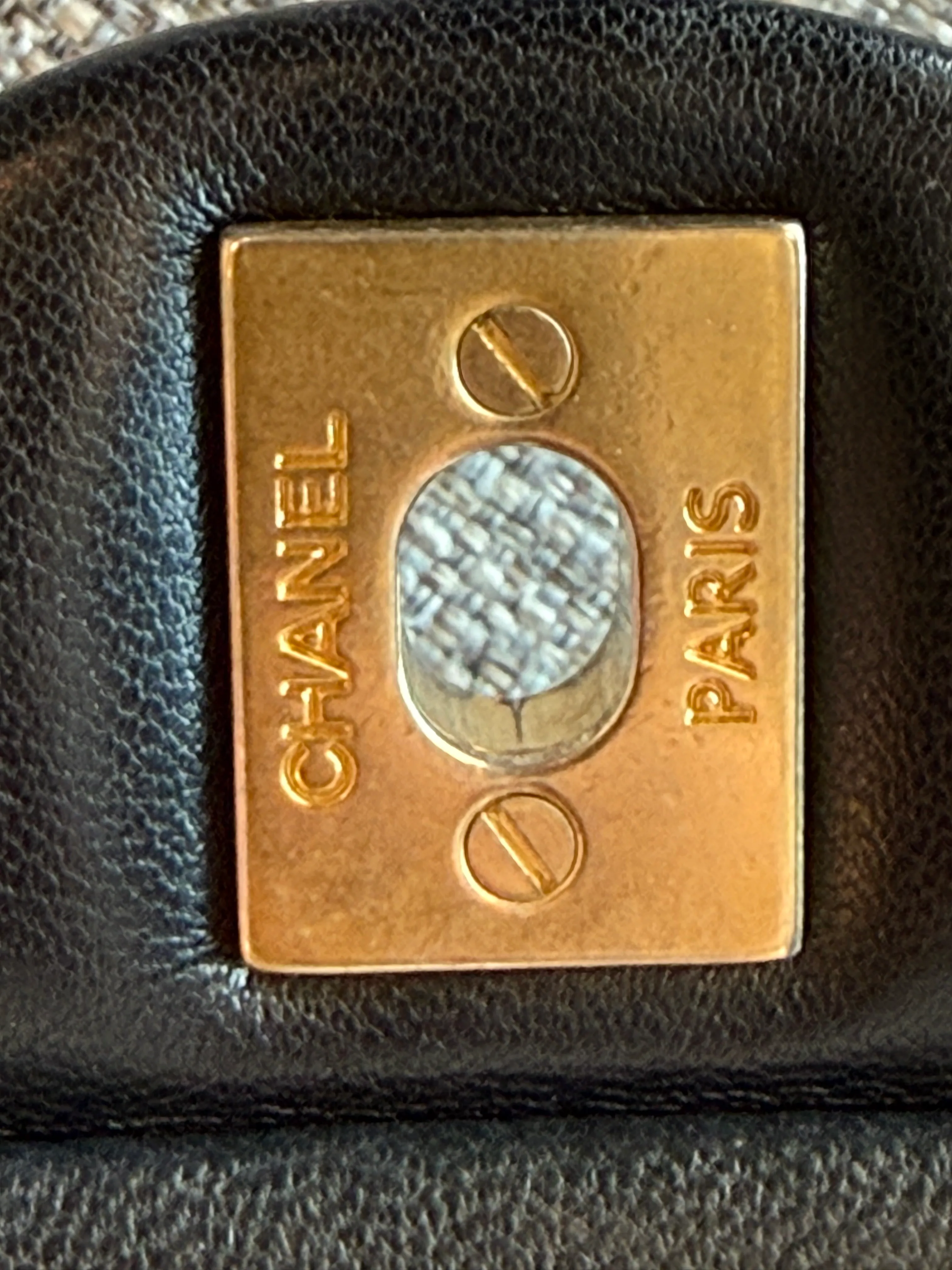
Chanel uses different types of hardware finishes — including gold, champagne gold, palladium and ruthenium — each with its own tone and aging characteristics.
👉 See: Chanel Hardware Guide: Finishes, Metals and Variations
5. Serial Sticker and Microchip
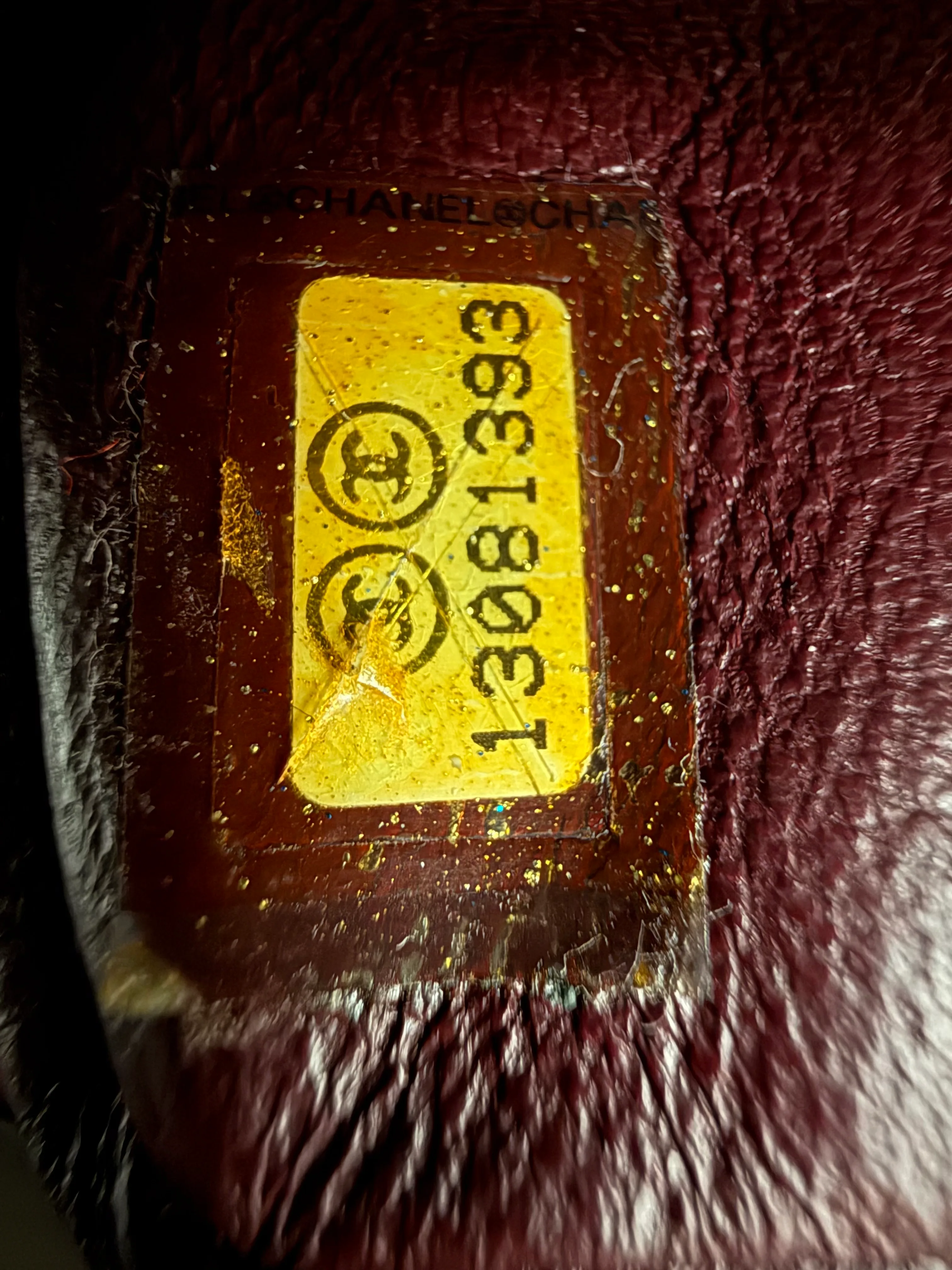
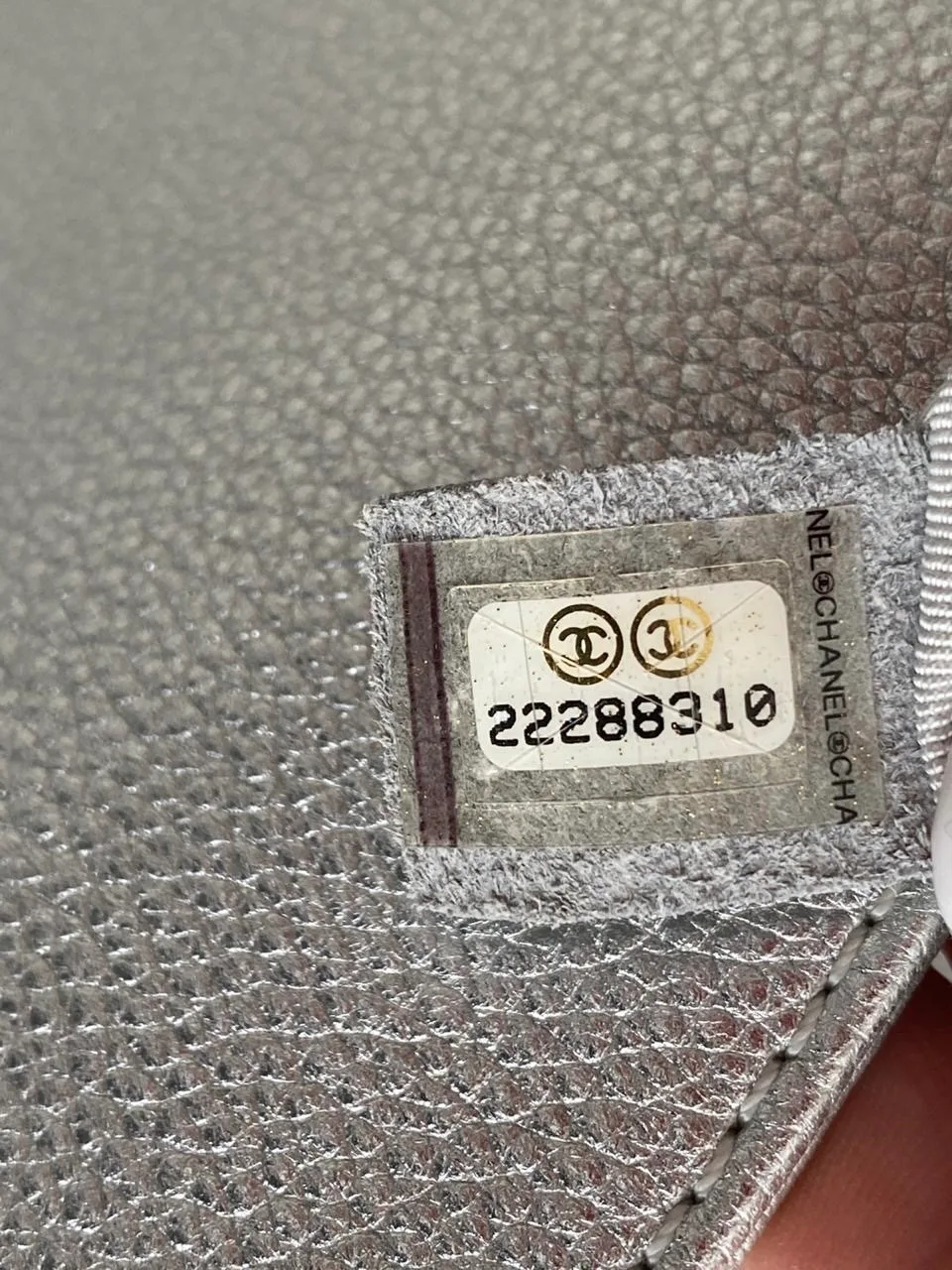
Before 2021, Chanel used serial stickers placed inside the bag.
Since 2021, Chanel has transitioned to microchip authentication.
At first glance, this appears to be a clear system of verification.
It is not.
One of the most common mistakes buyers make is treating serial numbers or microchips as proof of authenticity. In reality, they are only identification elements — not authentication.
High-quality counterfeits today replicate serial stickers with remarkable precision: correct numbering formats, accurate fonts, and even matching authenticity cards.
Microchips, although more advanced, do not function as a tool for independent verification. They cannot be scanned or validated by a buyer outside of Chanel’s internal system.
What matters is not the presence of a number — but whether that number makes sense within the context of the bag itself.
A serial element must align with:
- the model
- the construction
- the materials
- the estimated production period
If this logic breaks — the bag is questionable.
Even when everything appears correct, it still does not confirm authenticity.
🟫 Expert Insight — Bagotica
Most buyers still rely on serial numbers as confirmation of authenticity.
In reality, this is one of the least reliable elements today.
High-quality counterfeit bags often replicate serial stickers and even match them with authenticity cards. What exposes them is not the number itself, but the inconsistency between materials, construction and model logic.
Authentication should never be based on one element in isolation.
Check: What actually matters
When reviewing serial elements, focus on consistency — not presence.
- correct number format (7–8 digits for pre-2021 pieces)
- proper font and spacing
- correct placement inside the bag
- logical match with the model and production era
A number can be correct — and still belong to a fake bag.
Authenticity is never proven by one element in isolation.
Explore further:
- Chanel Serial Numbers Explained
- Chanel Microchip vs Serial Number
- Chanel Serial Number Timeline
- Where to Find the Serial Number in a Chanel Bag
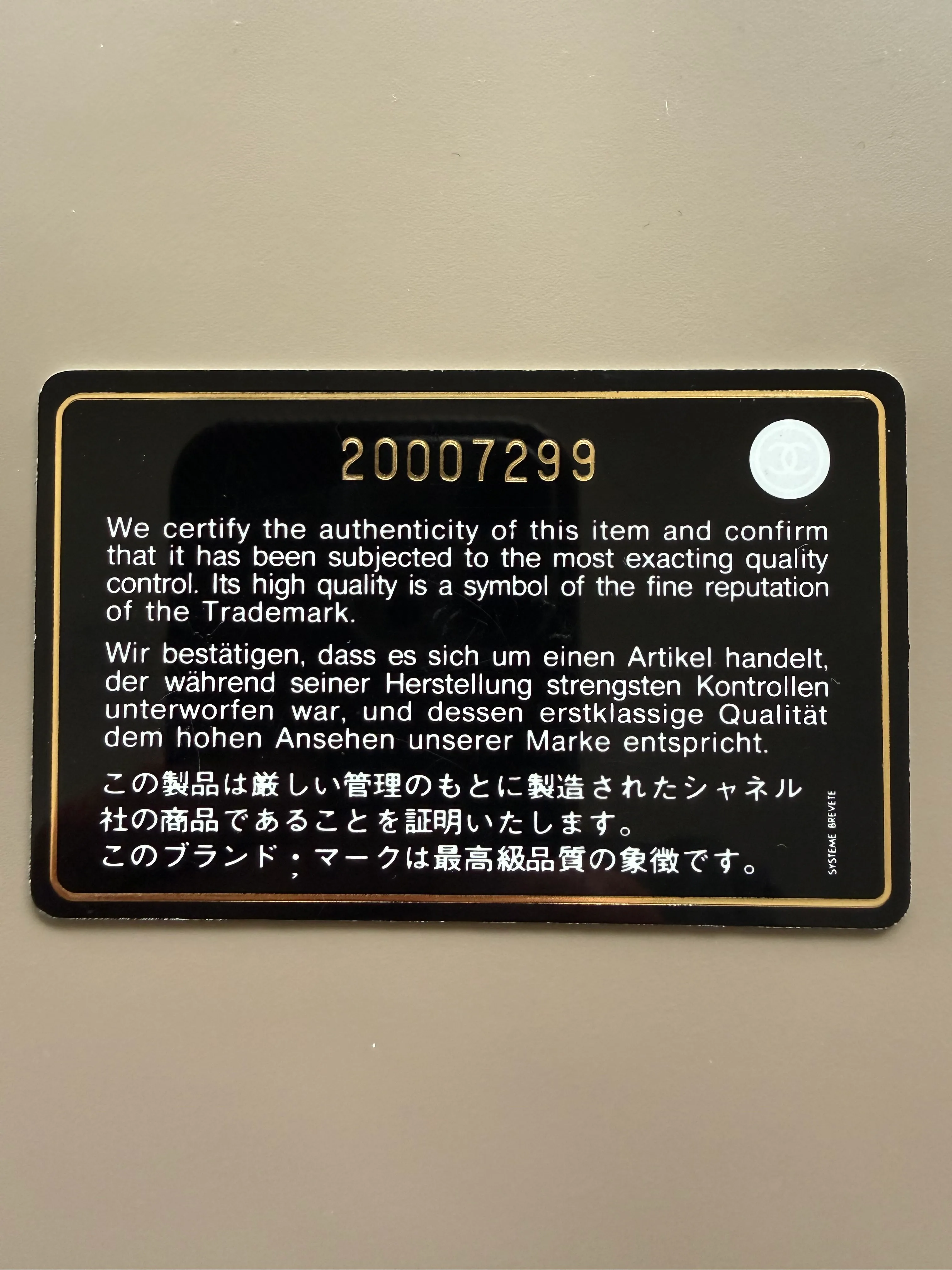
6. Authenticity Card
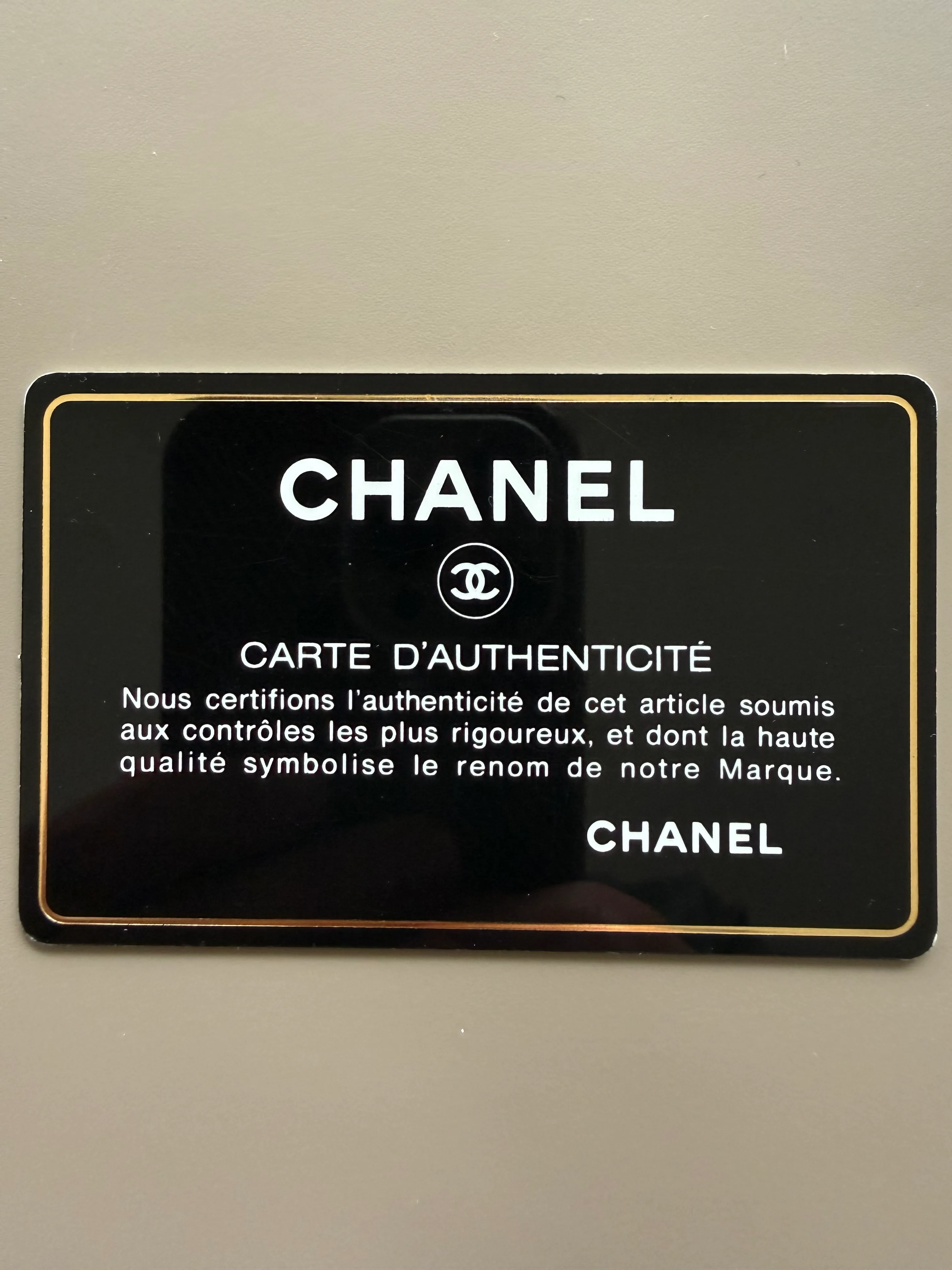
Authenticity cards are supporting elements — not proof of authenticity on their own.
They must:
- match the serial number inside the bagfeature embossed (not printed) numbers
- feel solid, with the correct weight and finish
Red flags:
- printed numbers instead of embossedrainbow or holographic effect on the surface
- mismatch with the internal serial number
Even a correct card can be paired with a counterfeit bag.
Authenticity is never confirmed by a single element in isolation.
7. Interior Stamp
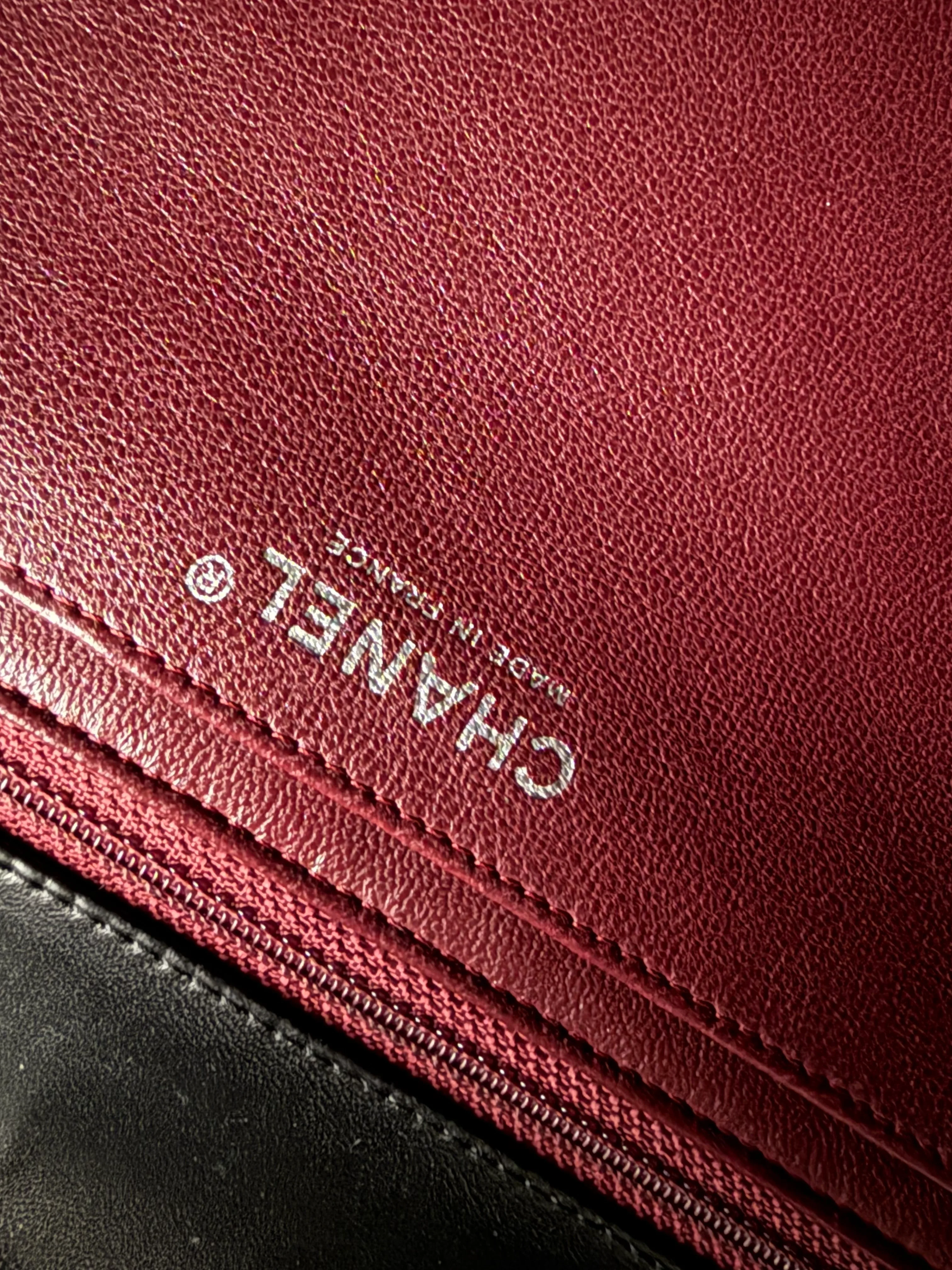
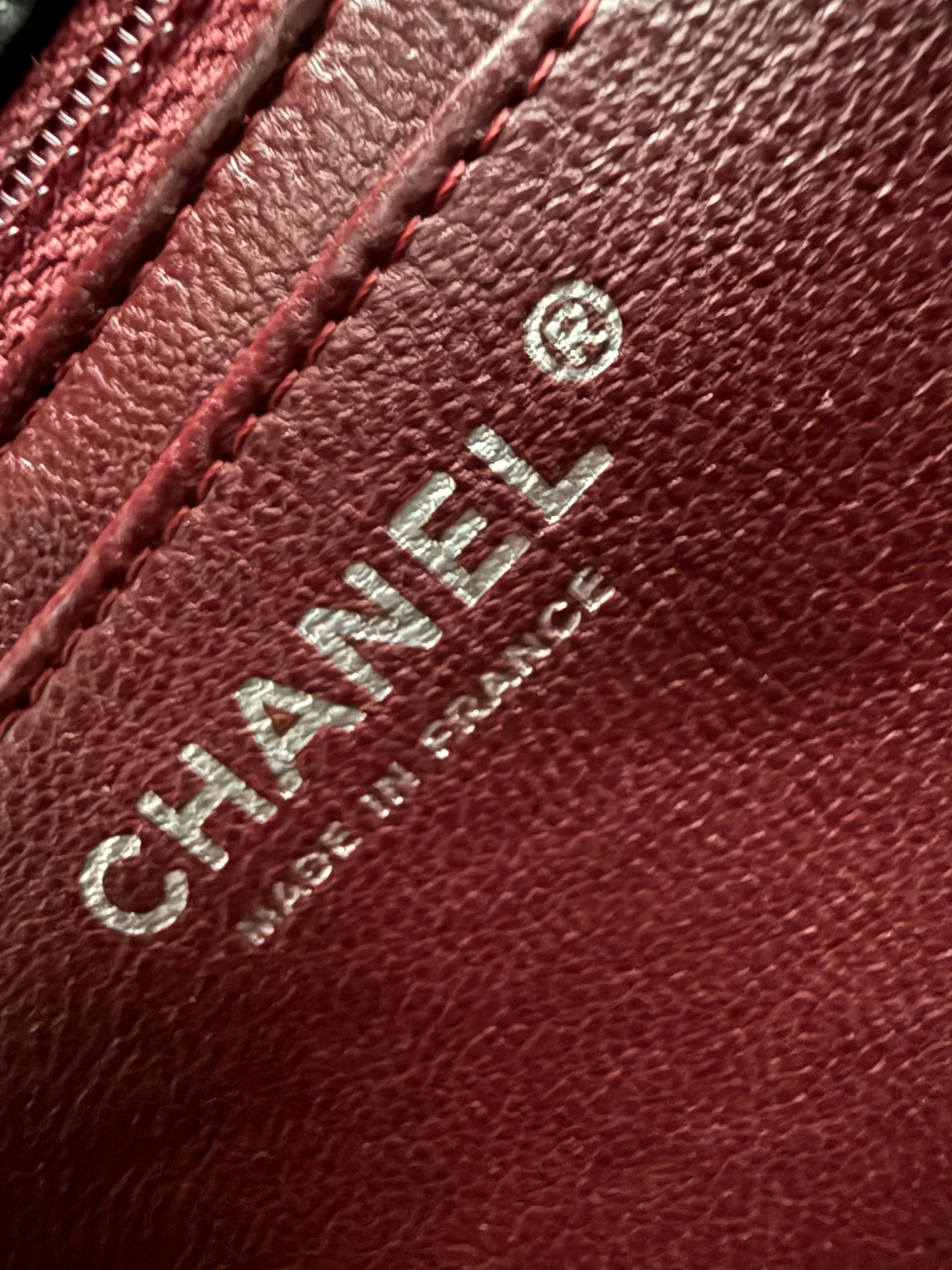
The interior stamp indicates where the bag was produced — typically France or Italy, and more rarely Spain.
It should:
- be clean, sharp and evenly spacedhave consistent font and letter thickness
- be precisely aligned with the structure of the bag
Red flags:
- blurred or uneven lettering
- incorrect font or spacing
- overly deep or barely visible stamping
- misalignment or crooked placement
The stamp alone does not confirm authenticity.
It must always be evaluated alongside construction, materials and other details.
The depth and clarity of the stamp vary depending on leather type.
8. Lining Construction
Interior lining must be:
- tight and well-fittedstructured,
- not looseseamlessly integrated into the bag
Red flags:
- loose or shifting liningvisible air pockets or bubblinguneven or poor finishing
The lining should follow the structure of the bag precisely.
Any looseness or distortion is a sign of poor construction.
High-quality lining reflects the overall craftsmanship of the bag.
9. Chain and Hardware
Authentic chains feel substantial, heavy and dense.
The leather woven through the chain must sit firmly and evenly, without gaps or looseness.
Fake chains often:
- feel noticeably light
- produce a hollow or tinny sound
- have loose or uneven leather weaving
- display an overly yellow or artificial tone
Hardware should feel solid, smooth and precisely finished — never lightweight or rough.
Weight, sound and finishing are among the quickest ways to identify inconsistencies.
10. Zipper and Small Details
Chanel uses high-quality zippers, often produced by manufacturers such as YKK or EPI.
Zippers should move smoothly and feel consistent — never stiff, loose or uneven.
Check:
- smooth and fluid movement
- clean, precise finishing
- correct shape and quality of the leather pull
Small details must be executed with the same level of precision as the rest of the bag.
Inconsistent or poorly finished details are often early signs of a counterfeit.
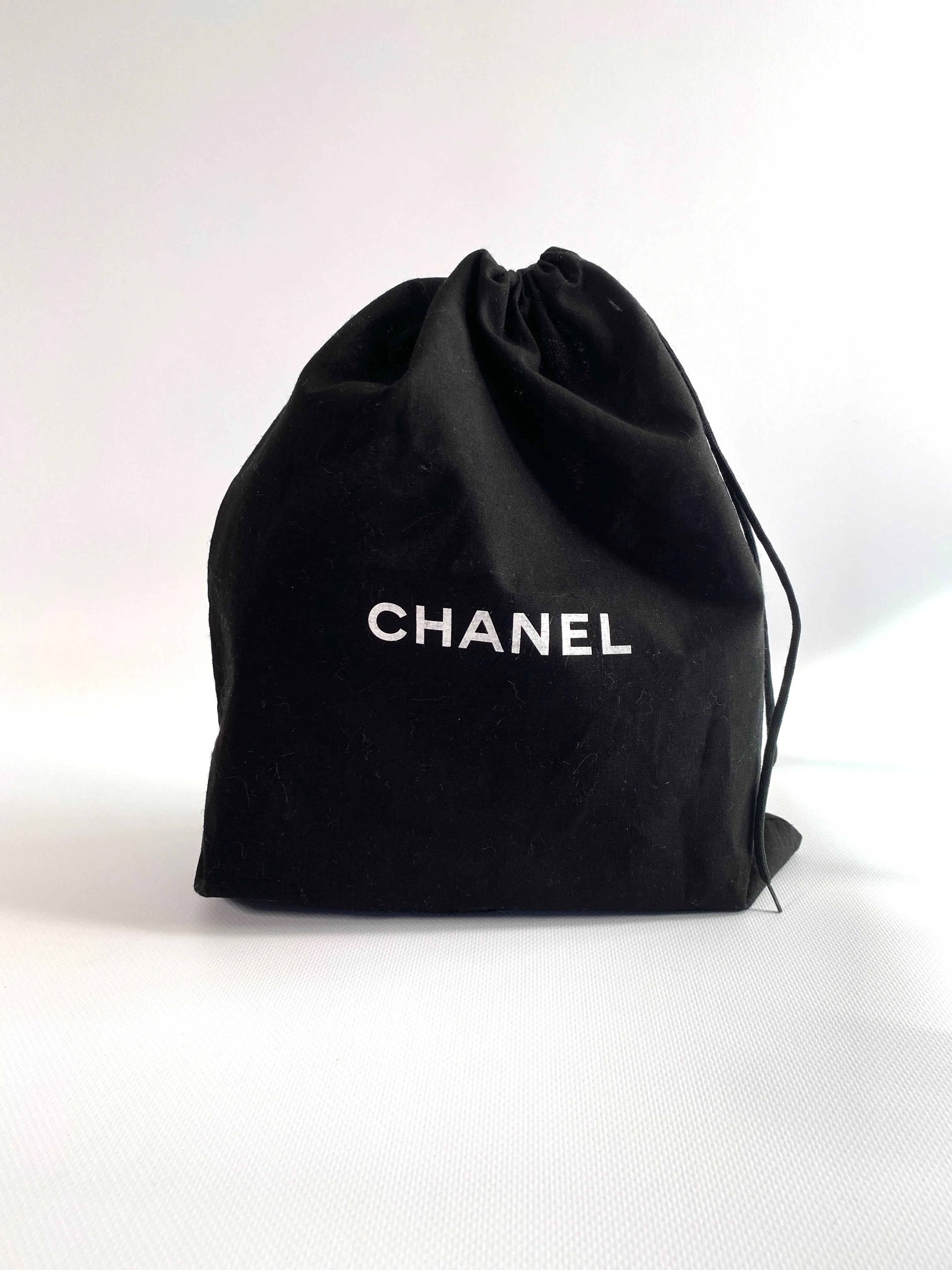
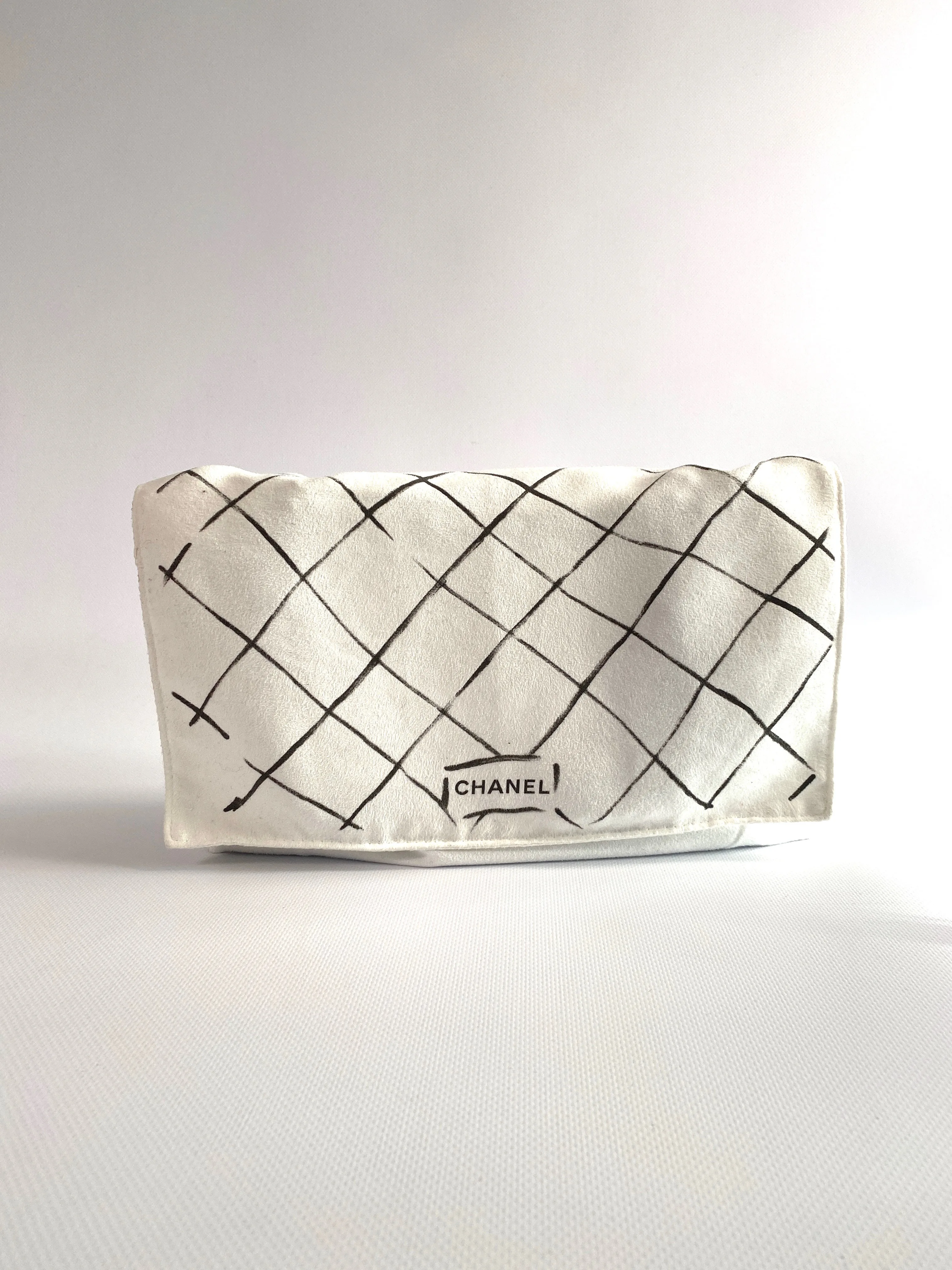
11. Dust Bag and Accessories
Dust bags and accessories are supporting elements — not proof of authenticity.
They should:
- feature correct logo placement and proportions
- use high-quality fabric with a consistent texture
- have clean stitching and proper finishing
Chanel dust bags vary by period and collection, so design differences alone are not a reliable indicator.
Red flags:
- incorrect font or logo proportions
- cheap or overly thin fabric
- poor stitching or finishing
- inconsistencies with the bag’s production period
Accessories can be replicated and paired with counterfeit bags.
They must always be evaluated in context — never in isolation.
Authenticity is determined by the bag itself — not by what comes with it.
Why One Detail Is Never Enough
A bag can appear convincing — and still be incorrect.
Authenticity is not determined by a single detail, but by how all elements work together.
A serial number, a logo or a stitch may look right in isolation.
What matters is whether everything aligns: structure, materials, construction and period.
If one element contradicts the others, the bag becomes questionable.
True authentication is based on consistency — not individual correctness.
The absence of inconsistency is what defines authenticity.
See:
Why One Authentication Step Is Not Enough
🟫 Expert Insight — Bagotica
One of the most common mistakes buyers make is trusting what looks familiar.
A bag may “look right” because it resembles thousands of images seen online. But authentication is not based on familiarity — it is based on structure.
Without understanding how Chanel bags are constructed, even experienced buyers can misread a well-made counterfeit.
Why Visual Checks Are No Longer Enough
Modern replicas are engineered to pass visual inspection.
Surface details can appear convincing — even to experienced buyers.
Photos, lighting and angles can mask inconsistencies.
What looks correct on screen may fail under physical examination.
Authenticity requires:
- how the bag feels in hand
- how materials respond to pressure
- the true weight and density
- the integrity of the structure
True authenticity is revealed through interaction — not observation.
See:
Manual Inspection vs AI Authentication
Why Physical Inspection Still Matters in Luxury Authentication
Why Condition Still Matters
An authentic bag can still be a poor purchase.
Condition directly affects:
- value
- durability
- long-term satisfaction
A bag may be genuine — but heavily worn, structurally compromised or poorly maintained.
Understanding condition is essential not just for authenticity, but for making a smart purchase.
Authenticity confirms what it is — condition determines whether it is worth owning.
See:
How to Evaluate the Condition of a Luxury Bag Professionally
What “Near-New Condition” Really Means
What Buyers Often Miss When Reading Condition Descriptions
🟫 Expert Insight — Bagotica
Authenticity answers only one question: “Is it real?”
It does not answer: “Is it worth buying?”
Many buyers focus entirely on authenticity and overlook condition, structure and long-term wear.
As a result, they purchase technically authentic pieces that fail to deliver value or satisfaction over time.
The right purchase requires both authenticity and condition — never one without the other.
Conclusion
Authenticating a Chanel bag means evaluating a complete system.
Materials, stitching, quilting, hardware, serial elements and typography must all align.
One correct detail proves nothing.
One inconsistency is enough to question the bag.
Authenticity is defined by consistency — not by isolated details.
FAQ
Can one detail confirm authenticity?
No. Authenticity is determined by the consistency of all elements.
Do all Chanel bags have serial numbers?
No. Newer models use microchips instead of serial stickers.
What is the most common sign of a fake?
Inconsistencies in quilting, stitching and overall construction.
Are authenticity cards reliable?
No. They can be replicated and should only be considered as supporting elements.
Read Next
Start with the essentials:
Chanel Serial Numbers Explained
Understand identification systems:
Chanel Microchip vs Serial Number
Go deeper:
How to Evaluate the Condition of a Luxury Bag
Why One Authentication Step Is Not Enough
For buyers:
What It Means to Buy from a Legally Registered Professional
Coming next:
Chanel 2.55 vs Classic Flap (cooming soon)